Artyz is a town in the Bolhrad Raion of Odessa Oblast. It was founded in 1816 as a German colony.
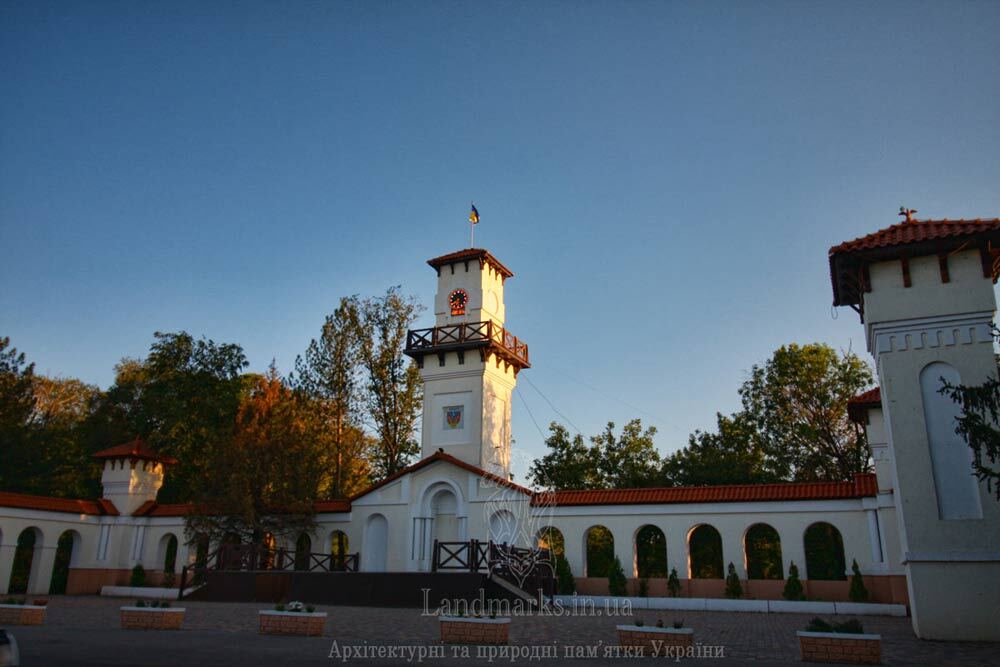
 Historical information
According to the Treaty of Bucharest, the territory of Bessarabia, together with the Budzhak region, was transferred to the Russian Empire in 1812 from the vassal state of the Ottoman Empire, Moldavia. These lands began to be settled by German colonists, who were invited to develop the land and industry with exemption from taxes and conscription (military service).
The settlements founded by German colonists in the territory of modern Odessa in the 1810s-1830s were often named after places where the Russian Empire had won battles in the Napoleonic Wars (and here we see the influence :) of the desire to mark them as their own). Such as Tarutyne, Wittenberg, Borodino, Leipzig, Fershampenuaz, Paris, Teplitsa, and others. The first name of Artsyz was the prosaic “Colony 14,” and only later Artsyz was named in honor of the French city of Arcis-sur-Aube (i.e., Arci above the Aube, in the province of Champagne), where the Battle of Arcy-sur-Aube took place on March 20–21, 1814. The city had several name options: Arsis, Alt-Arsis, Artsyz, or Arsi-na-Chazi. The first inhabitants of Artsyz were Germans — colonists from the Duchy of Warsaw. They were granted significant privileges: each family received 60 acres of land. This yielded excellent results — the hard-working Germans created a veritable paradise from scratch. Although it was not easy! In the early years of its existence, the settlement of Artsyz experienced significant difficulties, partly due to crop failures. There were also epidemics of plague and cholera.
However, Arciz later became one of the most developed German colonies. Agriculture and cattle breeding developed rapidly. The Arciz market was known even beyond the borders of the Russian Empire. From here, herds of horses were sent to France, Turkey, and Poland.
The metalworking workshop, founded in 1844, had become a plow factory by the beginning of the 20th century, with its own lighting in Artsyz, with departments for locksmithing, blacksmithing, casting, carpentry, and painting.
In 1886, the German colony had a population of 1,503, with 122 households, a house of prayer, a post office, a shop, two inns, two canteens, two taverns, two wine bars, and a market held every two weeks on Tuesdays.
In early 1918, Artsyz, like the rest of Bessarabia, came under Romanian rule. On June 28, 1940, the Romanian occupation regime was replaced by the Soviet regime.
The deportations, political repression, and persecution that began in the 1940s were a real disaster for the German population of southern Ukraine. The residents of Artsyz were not spared this fate, as the Soviet authorities eliminated an entire class of true village owners with advanced agrotechnical experience in colonial land ownership.
During the Russian invasion of Ukraine on December 5, 2022, a Russian missile struck the city, destroying two houses and injuring two people.
Famous residents of Artsyz:
-Friedrich Gustav Bienemann (1860–1915), Baltic German historian
- Wilhelm Kappel (1929–2022), corn breeder
Old buildings
The city has several old residential buildings dating back to the 19th century, which are considered architectural monuments.
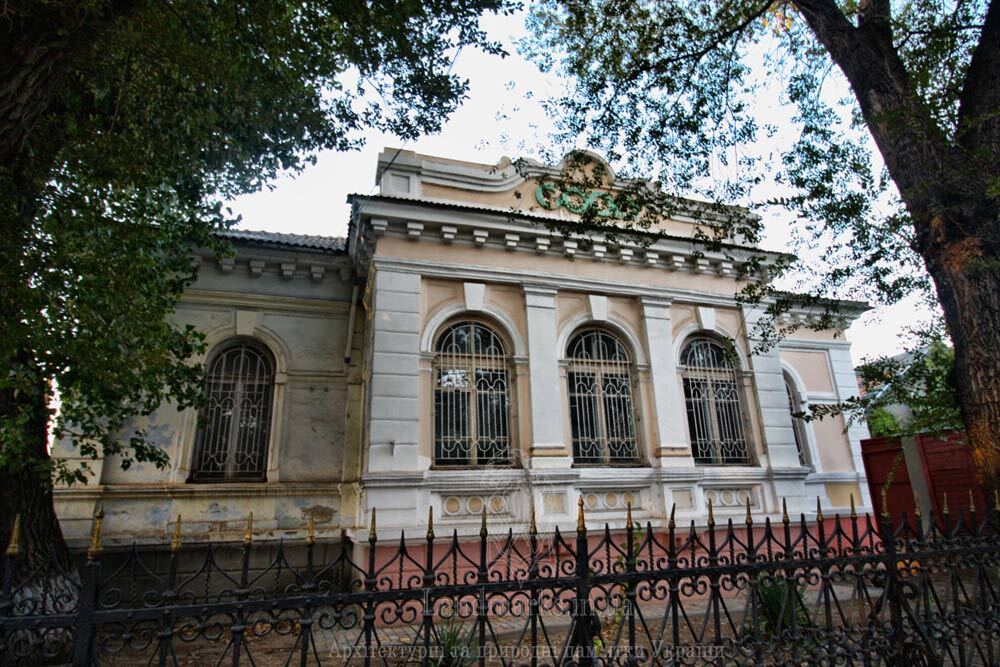
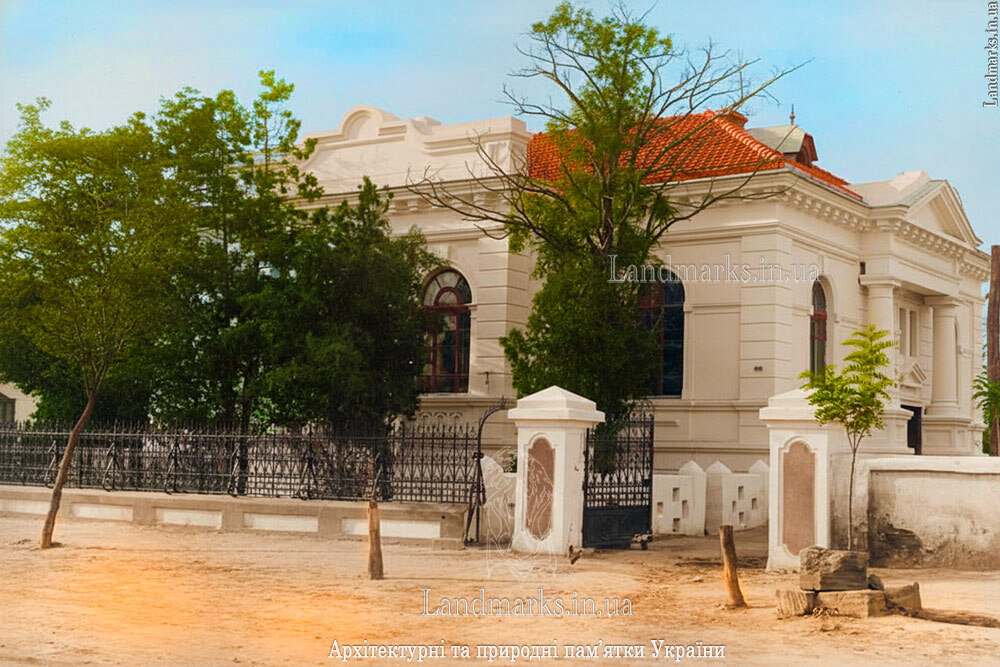
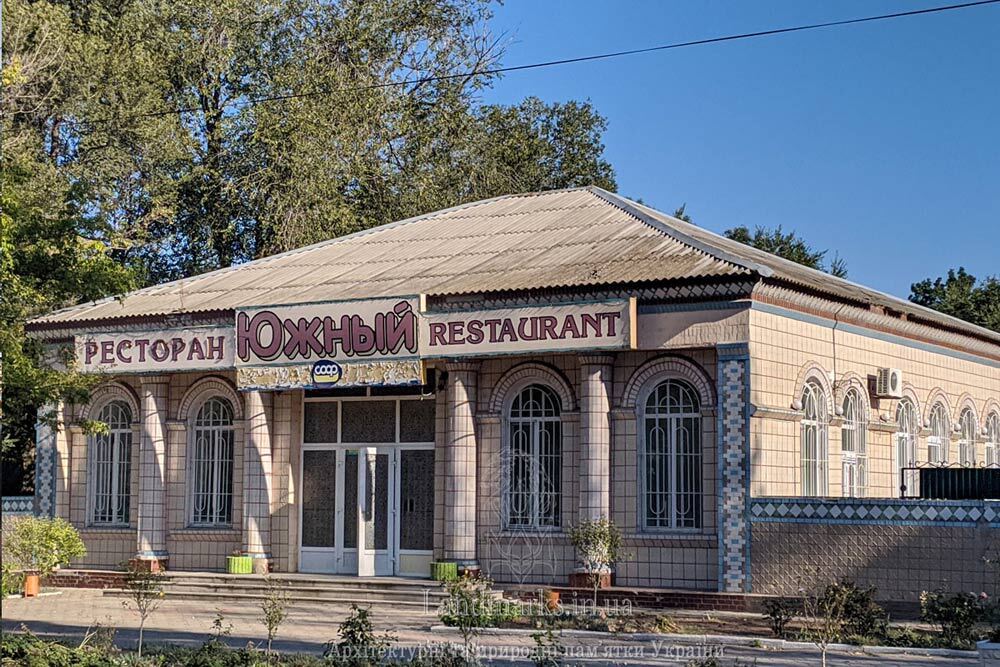
Some houses still have elements of architecture from the time of the German colonists, including old tiled roofs. The History and Local Lore Museum is located in one of the historic buildings. The Joseph Meske House is one of the most famous old buildings preserved in the city. It belonged to a local craftsman who owned a metalworking workshop.
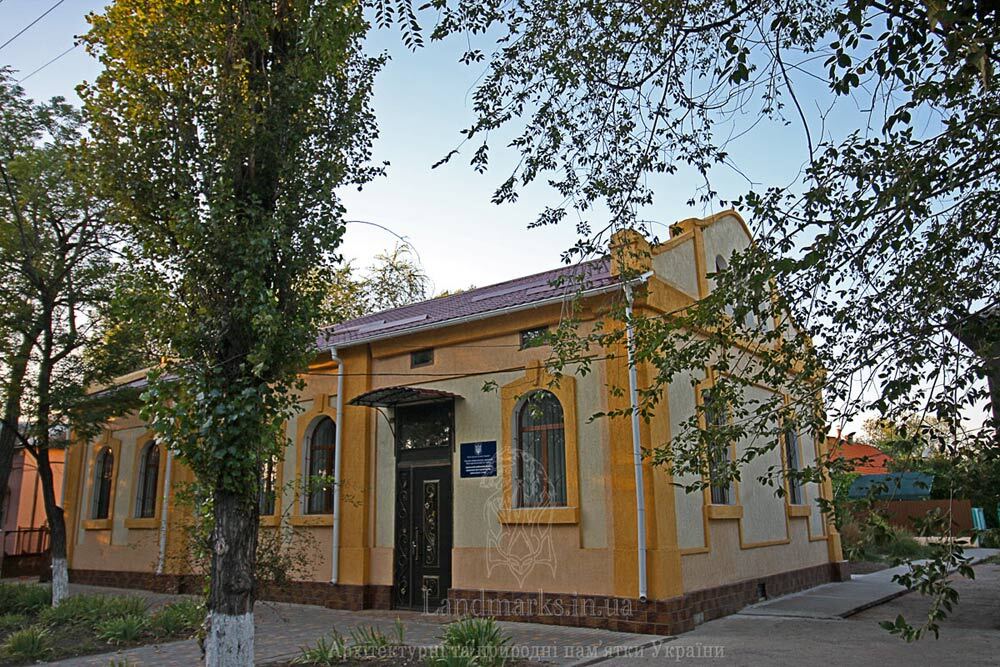
German church Kirche (not preserved)
The first church of German colonists in Artsyz was built in 1836. However, by the last quarter of the 19th century, the building could no longer accommodate all the parishioners. Therefore, in 1880, construction of a new church began. The new church was huge, built in the Romanesque style, decorated with a bell tower with three bells and a tower clock.
It is believed that the church in Artsyz was one of the largest Protestant churches in Bessarabia, with a spacious hall designed to seat 1,000 people. It impressed with its richly decorated interior. The church was adorned with a mosaic-decorated altar, and the prayer hall was lit by precious chandeliers. The church also had a powerful organ that accompanied the services.
By the end of the 19th century, Artsyz had become not only the most developed commercial center in the region, but also a religious one, as the only church in the entire Budzhak region at that time was built here (according to Wikipedia).
Through the use of AI, we can see how beautiful the German church was. Below, we can see a restored and colorized photograph of the Protestant church in Artsyz.
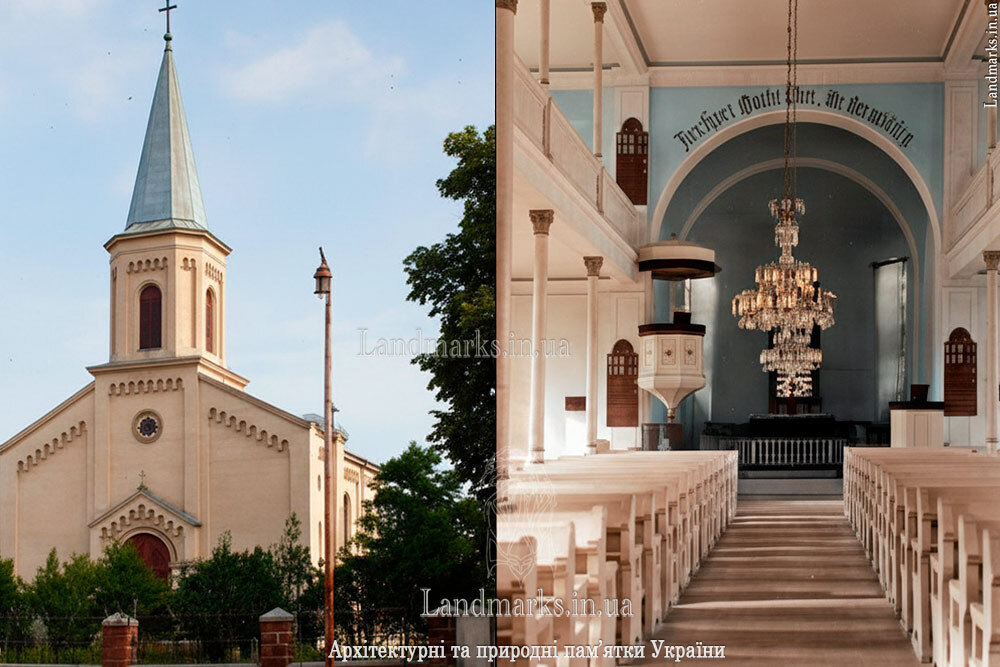
In the territory of modern Artsyz, in addition to the large central church, which was located on the site where the district library building now stands, there was also a second one. It was built much later and was located in the village of Brieni, now known as the suburb of Glinka.
In 1916, there were plans to build a new brick church, but these plans were disrupted by World War I. All the funds donated by the community were confiscated for the needs of the front. In the 1930s, the community managed to raise funds again and begin construction. By 1940, the building was completely ready, but it never opened its doors to its believers.
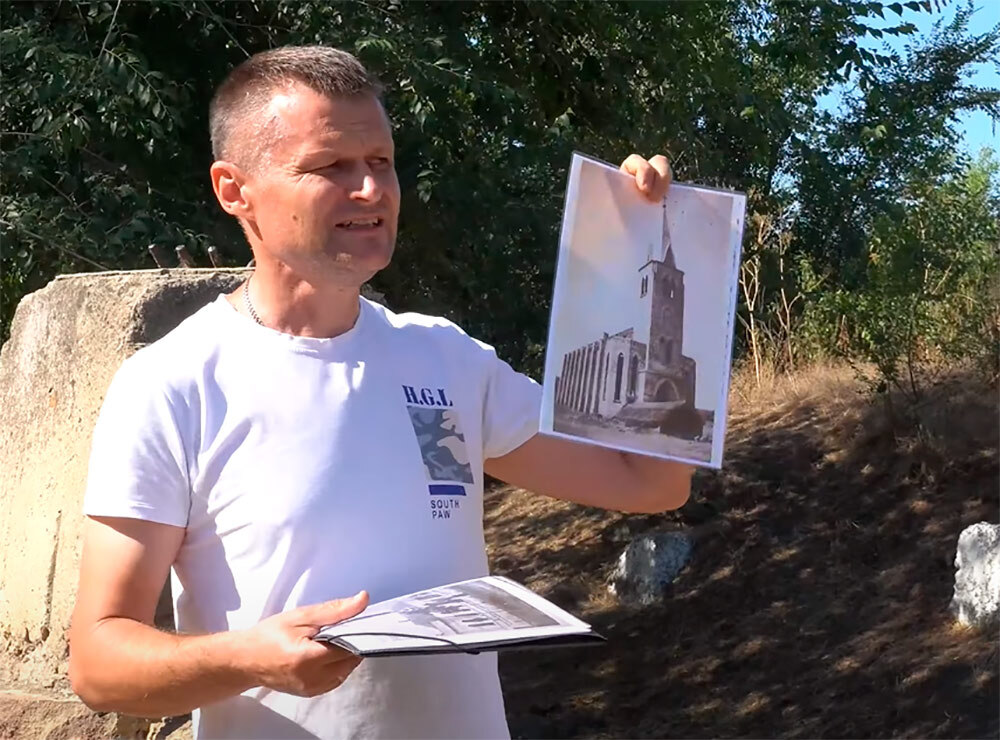
The video (in Ukrainian) of part of the tour by Dmytro Cheban, an employee of the Artsyz Local History Museum, provides information about the history of two churches in Artsyz.