 What to See in Balta: Historical and Architectural Landmarks
This city in southern Podillia, located in the Kodima River valley, impresses with the number of its landmarks. Balta’s history dates back to the last decade of the 17th century, and it has been quite eventful ever since. Balta served as the administrative center of a county in the Podillia Governorate, and most of the existing landmarks date back to that period. Let’s explore them—there are 21 landmarks of local significance here, of various types and kinds.
I’ll warn you right away: it will take at least half a day just to see the main landmarks. To see them all, you’ll need at least two days, taking a leisurely stroll through the streets lined with the city’s old buildings. I really hope that the residents of Balta, in their desire to modernize their homes, won’t compromise their historic appearance but will ensure that they continue to look historic.
List of the main architectural and historical landmarks in the city of Balta:
The Lubomirski Palace (on the site of the former castle)
Churches:
- Cathedral of the Assumption of the Blessed Virgin Mary
- St. Stanislaus Polish Catholic Church
- St. Nicholas Church at the cemetery
- Old Believers (Old Ritualists) Church
- St. Theodosius Monastery
Other social institutions:
- Post office building
- A beautiful old maternity hospital building
- An old pharmacy from the late 19th century
- Children’s hospital
- People’s Theater
- Former Gymnasium
- School
- Old Post Office Building
- Fire Watchtower
- Distillery
- And many other old buildings
Cemeteries:
- Polish Cemetery
- “Cossack” Cemetery
- Jewish Cemetery
 A Few Words About Balta, Its Historical and Cultural Heritage
In the late 17th and mid-18th centuries, two separate settlements emerged on opposite banks of the Kodyma River: the Polish fortress town of Jozefgrod, founded by Prince Jozef Lubomirski between 1690 and 1695, and the Ottoman settlement of Barta. Throughout the 17th and 18th centuries, the area suffered severe devastation due to its strategic position between the Russian, Ottoman, and Polish-Lithuanian empires, enduring the fifth Russo-Turkish War, a brutal Haidamak raid led by Maksym Zalizniak in 1768, a plague outbreak, and the total burning of the fortress by Russian troops in 1769.
A new era of reconstruction began in the 1770s under Prince Oleksandr Lubomirski, leading to the town receiving Magdeburg rights and the authority to host bi-annual fairs in 1776. Following the Treaty of Jassy in 1791 and subsequent purchase by the Russian government, the settlements were merged in 1797 into the single city of Balta, serving as the administrative center of the largest county in Podolia Governorate. Consequently, Balta grew rapidly, reaching 10,000 residents by 1803 and becoming a major trade and craft hub in southern Ukraine along key trade routes to Moldavia, Bessarabia, and the Black Sea ports.
In addition to its historic role—which later included a period as the capital of the Moldavian ASSR—Balta features an extensive underground network of catacombs investigated by researchers from Odesa National University. These subterranean tunnels, originally used as basements, likely run beneath the Kodyma River, physically connecting the two historical halves of the city that once belonged to different empires.
Lyubomyrsky Palace
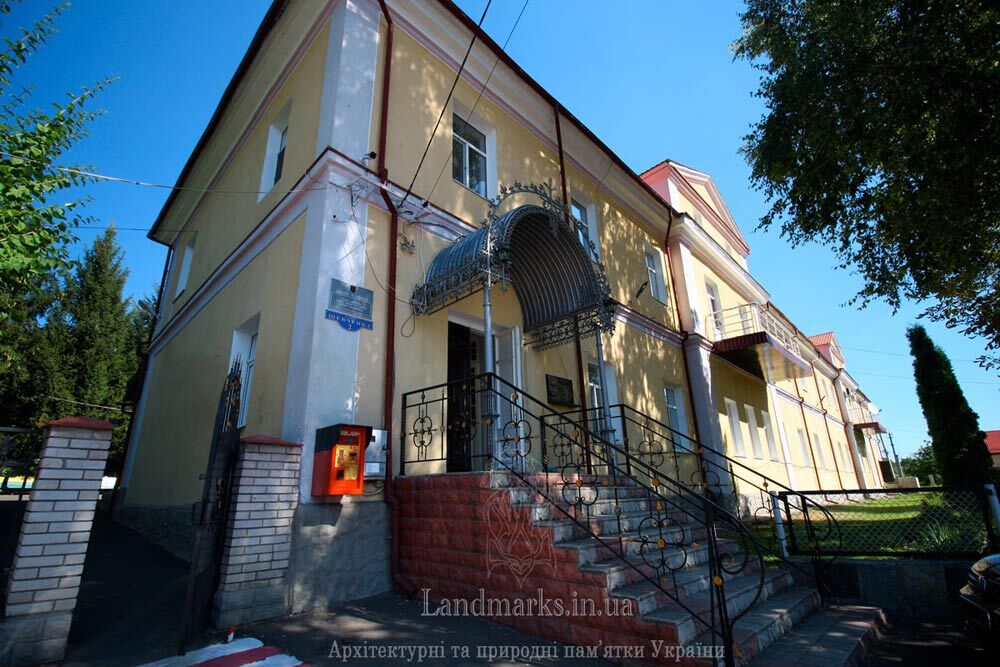
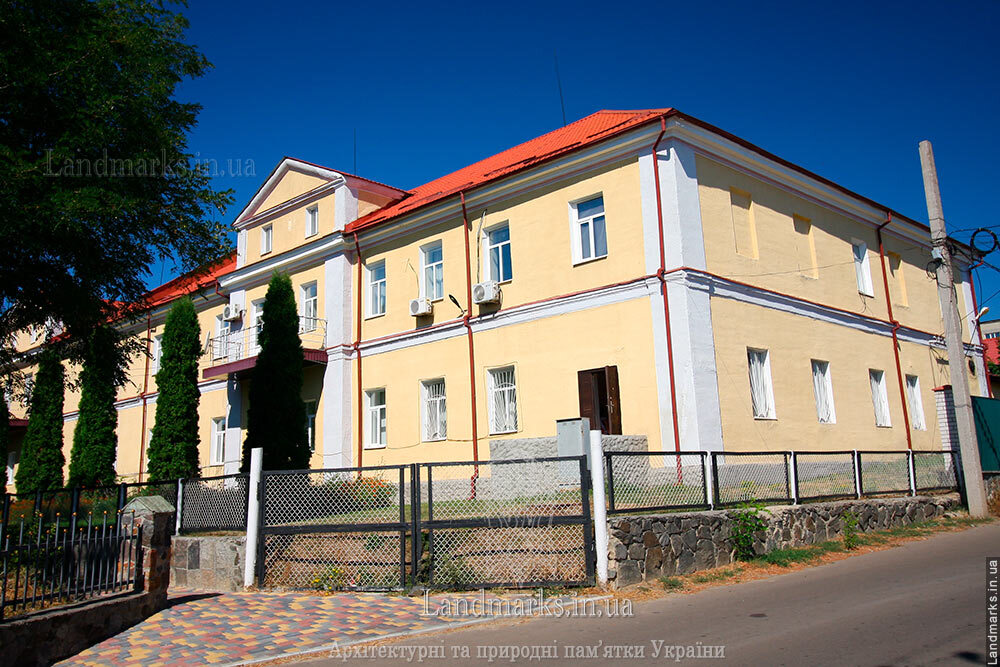
One of the oldest landmarks in Balta is the square, now a park is here. The area is defined by landmarks such as the fire station with its 1925 watchtower (incidentally, this can be considered one of the city’s symbols; the watchtower is clearly visible from most points in Balta), the Catholic church, and the Lubomyrsky Palace.
It was right here, on the banks of the Kodima River, that Prince Lubomirski built his castle. Later, the square was laid out on the site of the former castle ruins. The former dominant feature—the Lubomirski Castle Palace, built back in the 18th century—is hidden behind trees and isn’t particularly noticeable to someone unfamiliar with the area. It now houses a building of the teacher training college. Today, it is difficult to immediately recognize the former palace in this historic structure.
Catholic church
In 1765, building started on a church for Armenian Catholics. The church was consecrated in honor of Saint Stanislaus—Stanislaus of Szczepanów (1030–1079). He was the Latin Bishop of Kraków, recognized by the Catholic Church as a holy martyr.
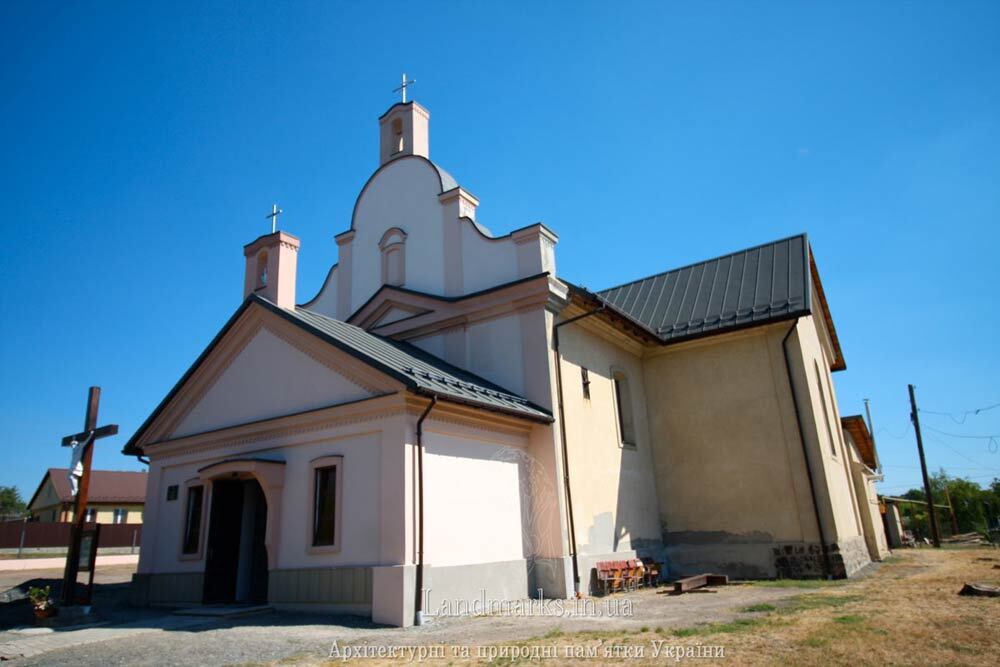
In the beginning of the 19th century, two ceremonies were held in the church: one in Latin and one in Armenian. After the Armenian community left, the church was reconsecrated in 1826 and switched entirely to the Latin rite.
In the 1970s, a bus station was established in the church building.
The church’s official Facebook page is here>>
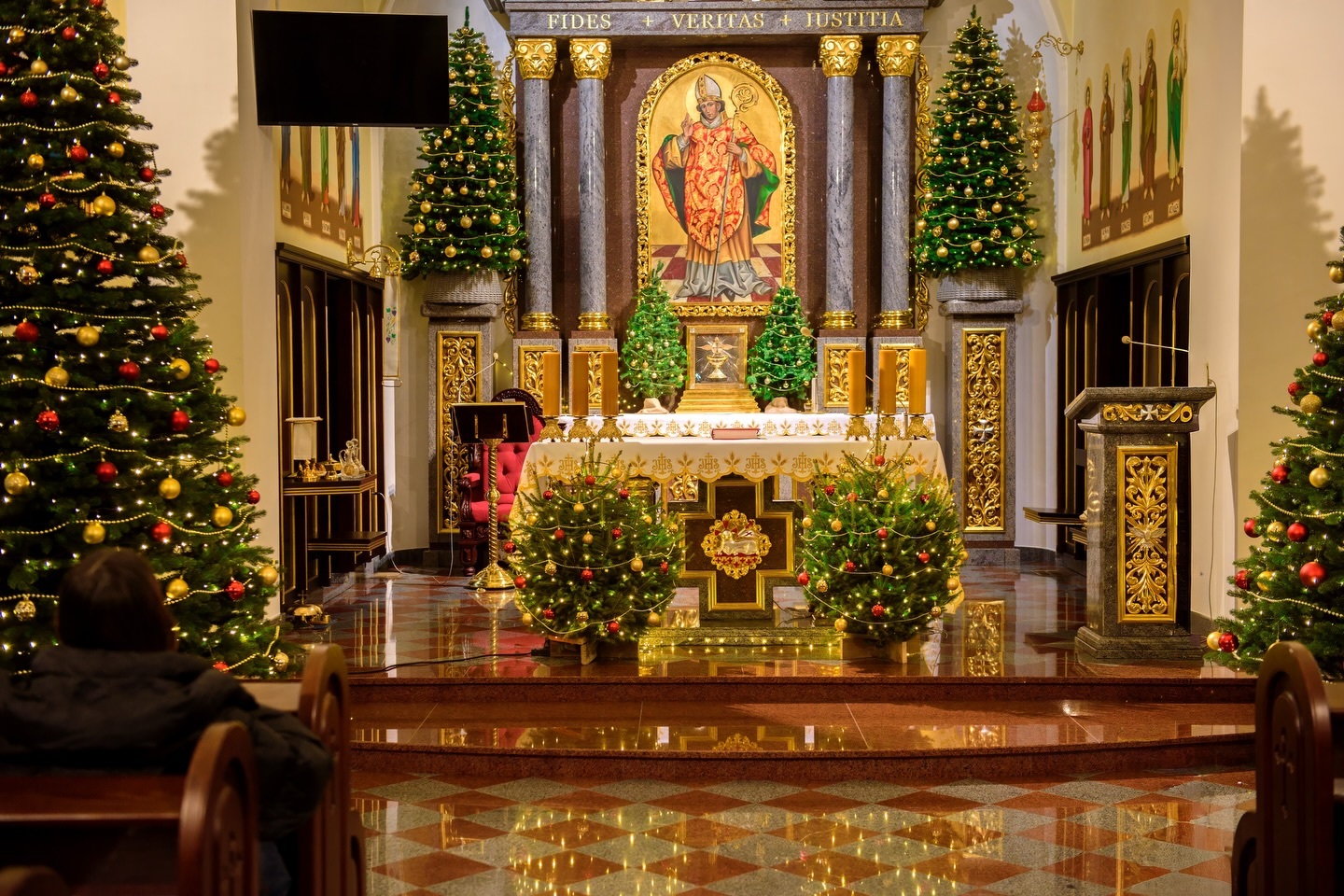
On September 2 and 3, 2023, the consecration of the renovated church and altar took place, marking the 30th anniversary of the church’s return to the parish community after the difficult years of the communist regime. For the first time in nearly a century, Balta was enchanted by organ music
The new, majestic granite altar was installed according to a design by Polish architect Marek Holewski. All the granite elements were crafted by the Svorovsky family from Korostyshiv. Restoration work is still underway, and artists from Kharkiv—Natalia Porubinska and Roman Krainyuk—are currently painting the icons.
The program featured symphonic and organ works by the great composers Johann Sebastian Bach, Franz Schubert, Myroslav Skoryk, and Max Reger
Cathedral of the Assumption of the Blessed Virgin Mary
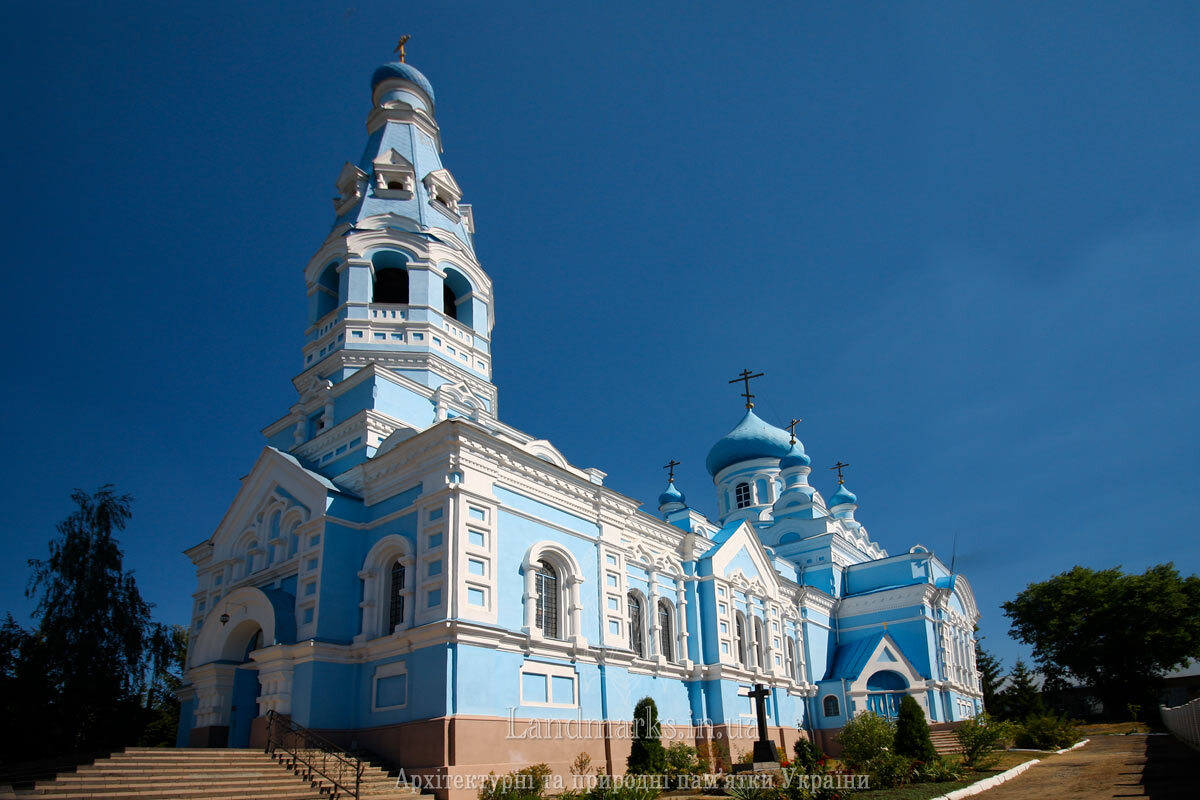
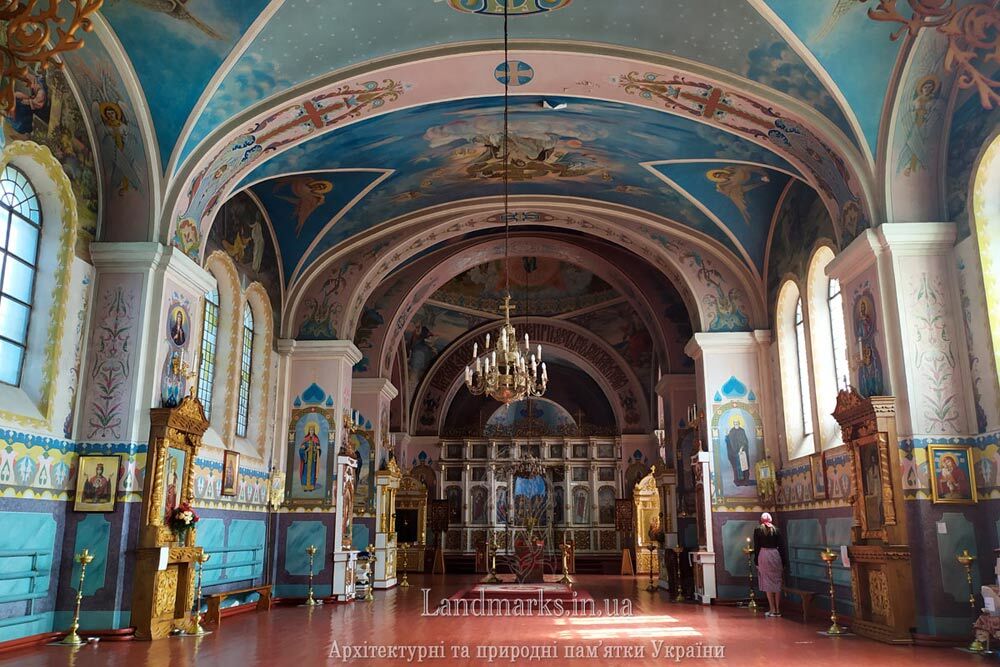
The cathedral was built in the beginning of the 20th century, consecrated in 1915, and remained in use until 1931. At the turn of the 1930s and 1940s, the building was used as the archive of the Moldavian Autonomous Soviet Socialist Republic. As strange as it may seem, after World War II, the cathedral was restored and reopened. The church remained in operation until 1964, when the Soviet authorities closed it. A boarding school was then established on the church grounds. When the church building was returned to the Orthodox community in 1988, it was renovated and reopened. The cathedral is designated as an architectural monument of local significance.
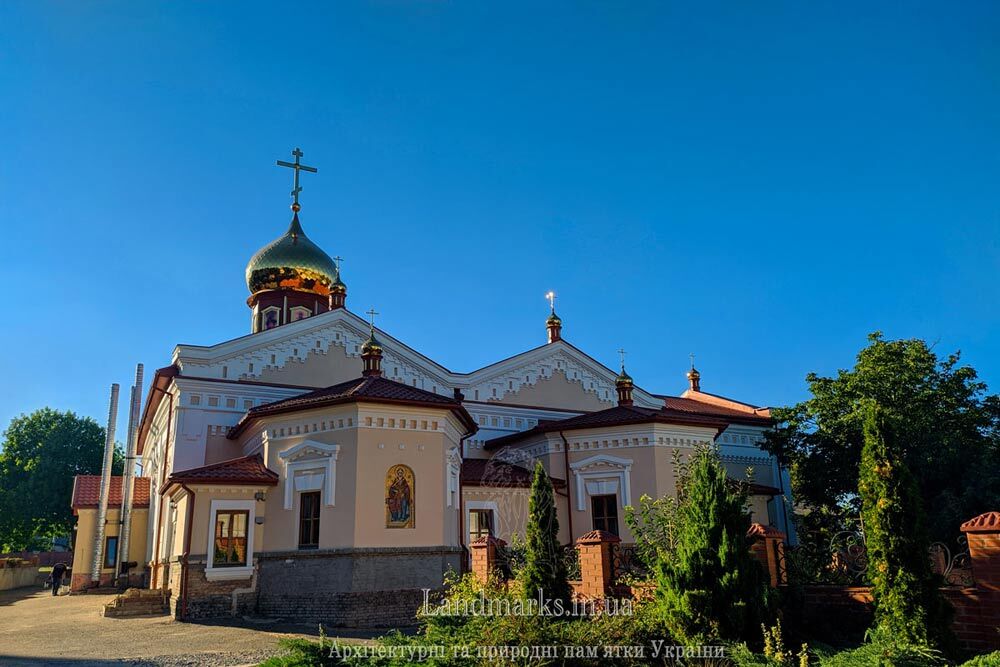
The St. Theodosius Monastery
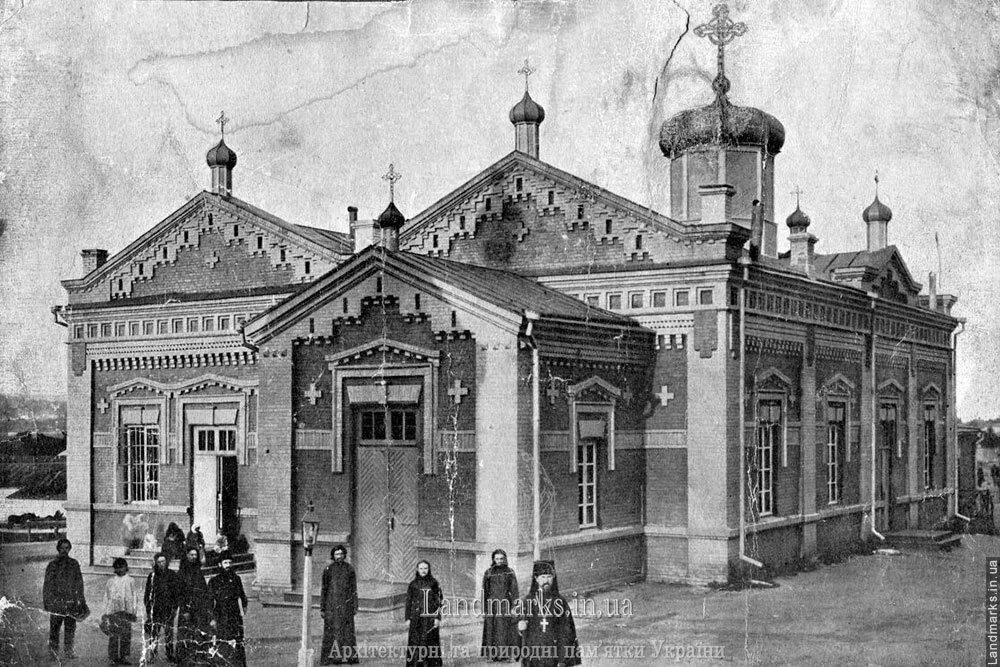
The Holy Protection Balt-Theodosius Men’s Monastery of the Balt Diocese was founded on the site of the house of Father Theodosius Levytsky, whose relics are now kept at the monastery. That house once sheltered a special facility for the poor and served as a hospital where both body and soul were healed. There was a church dedicated to the Intercession of the Mother of God was built here after the death of the holy righteous man Theodosius. So, in 1907, the establishment of a men’s monastery was approved.
Until 1917, the monastery developed rapidly; the monastic community numbered 100 members, and the monastery operated a farm, vineyards, and other holdings. After the revolution, in 1923, the monastery was closed, the church was plundered, and some members of the monastic community were even taken away to an unknown destination. In 1942, these lands were occupied by Romanian troops, allies of Nazi Germany. A military hospital was set up on the grounds. At the same time, the Romanian Orthodox Church reopened the monastery. Surprisingly, the monastery managed to survive until 1961. Then it was closed again. The grounds were divided up. After that, a sports school was in the ex-church
In November 2010, the monastery buildings—which were already in terrible condition at that time—were transferred to the Odessa Diocese. At that time, the small community of monks began the initial restoration work on their own. The Church of the Intercession, the monks’ quarters, the bishop’s chambers, and the farm buildings—the cowshed, sheepfold, apiary, chicken coop, cellars, garages, and other outbuildings—were given a new lease on life.
And since 2012, the Intercession Monastery has served as the residence of the ruling bishop of the newly established Balt Diocese. In December 2022, searches were conducted at the monastery. Unfortunately, for some reason, the monastery found it difficult to sever all ties with Moscow. Even rocket bombs and suicide drones cannot drive the Russian spirit out of some people...
Another temples in Balta
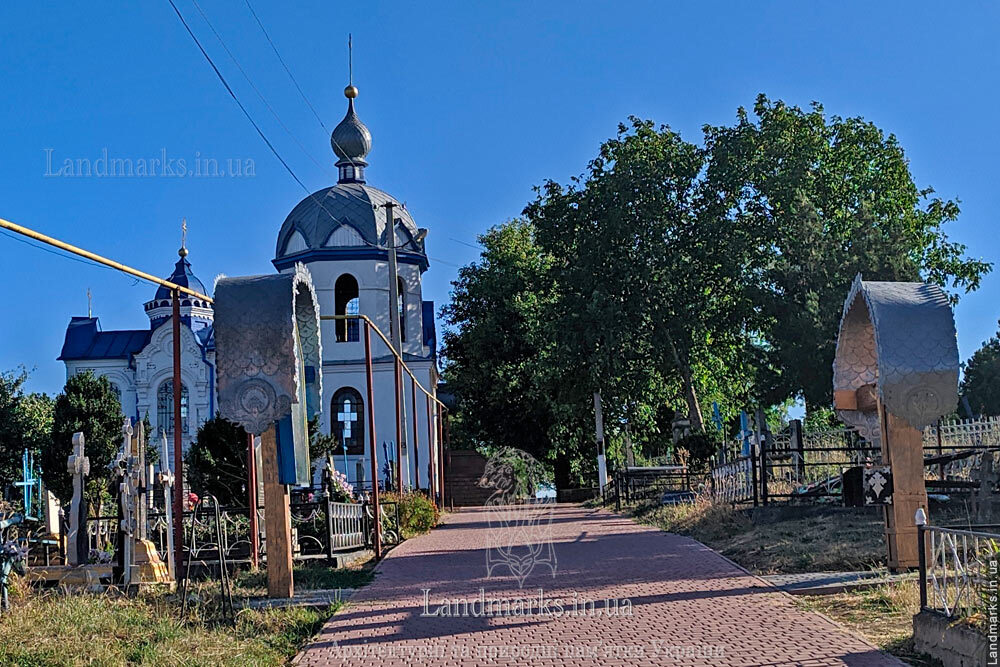
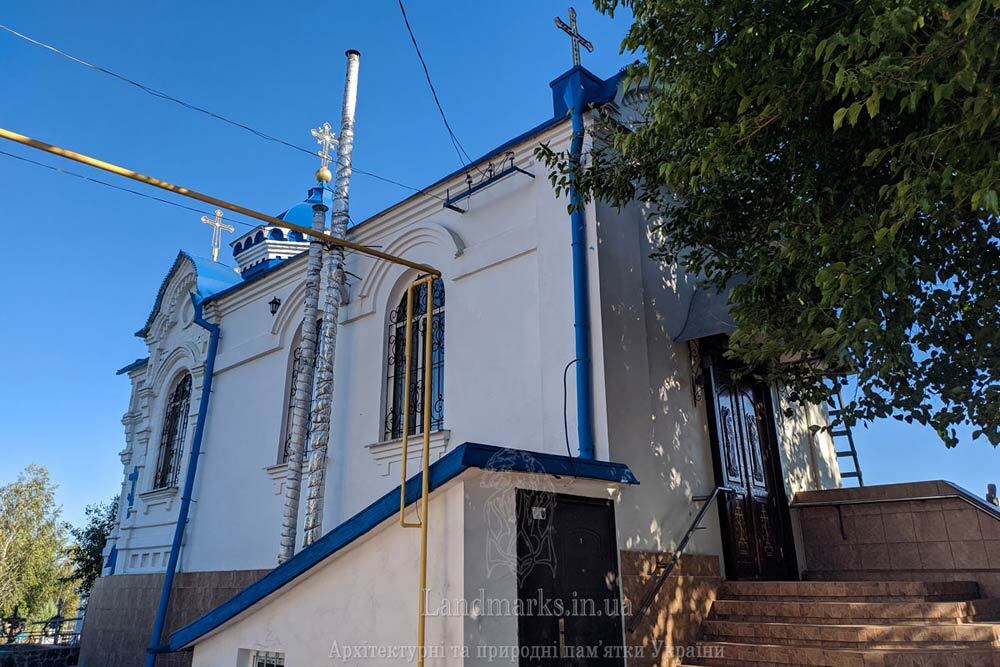
In the 19th century, the St. Nicholas Cemetery Church was initially used as a chapel attached to the cemetery. When the cathedral and monastery were closed during the Soviet era, the church was expanded and began to be used for church services
This historical Old Believer church was built according to a design by architect Boris Koltsov in the late 19th–early 20th century. Today, the Old Believer community of Balta uses a new church building.
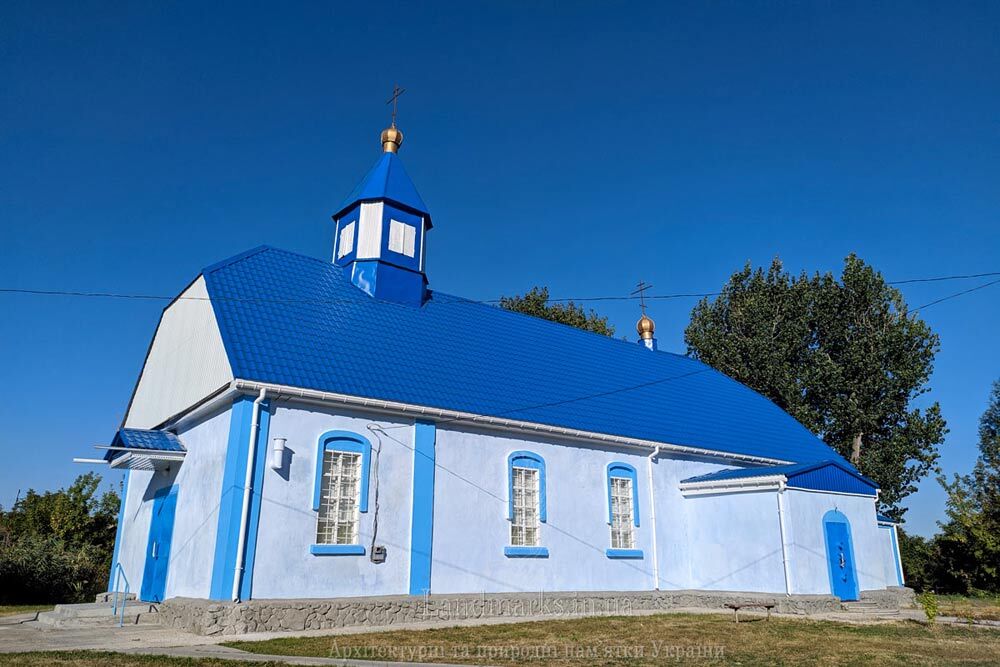
Photogallery of some sights of Balta
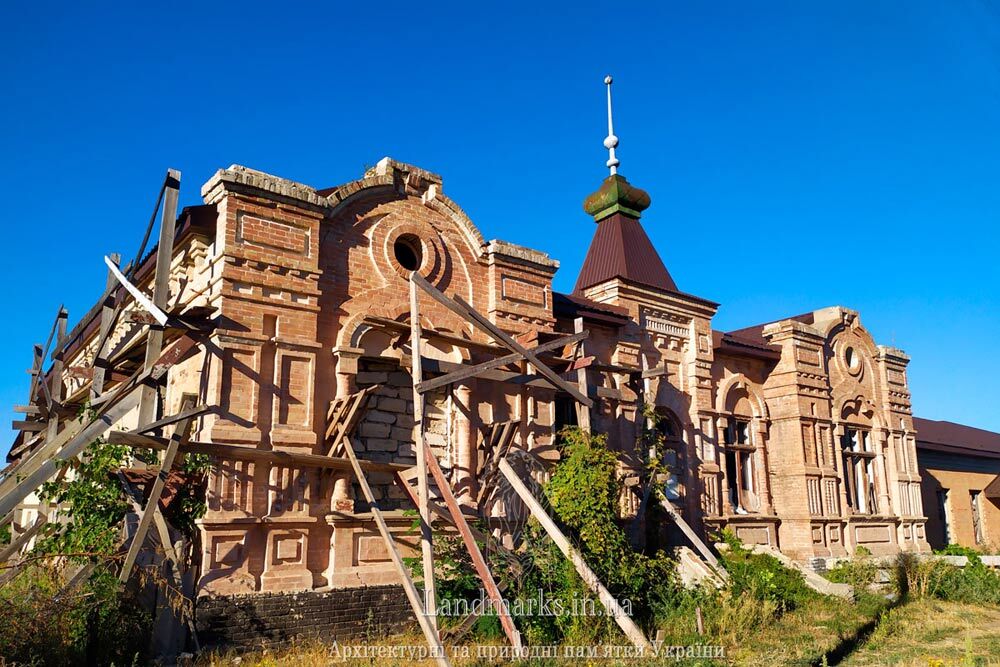
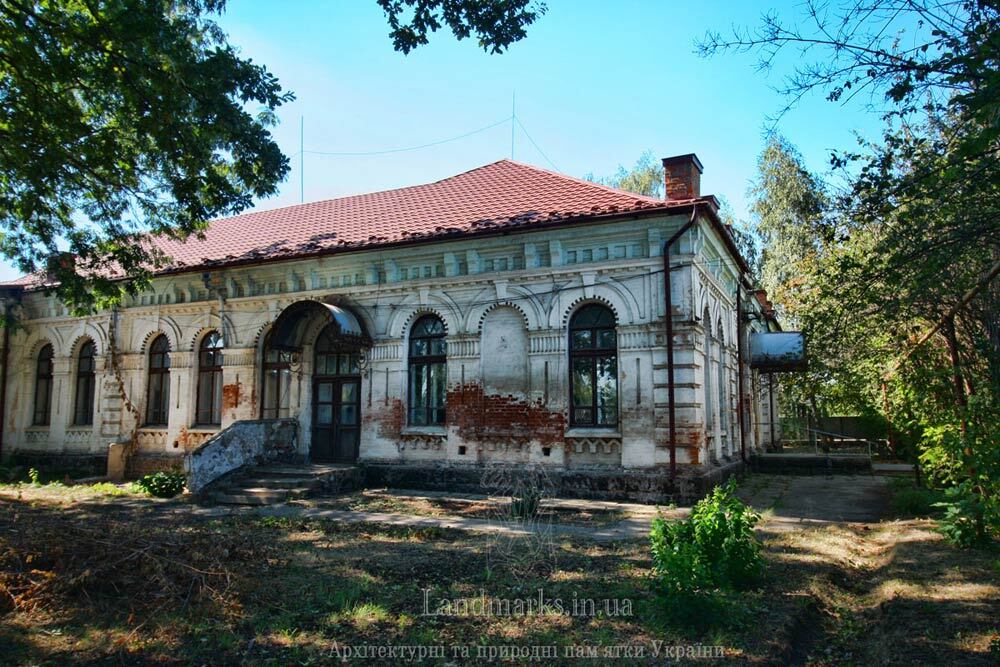
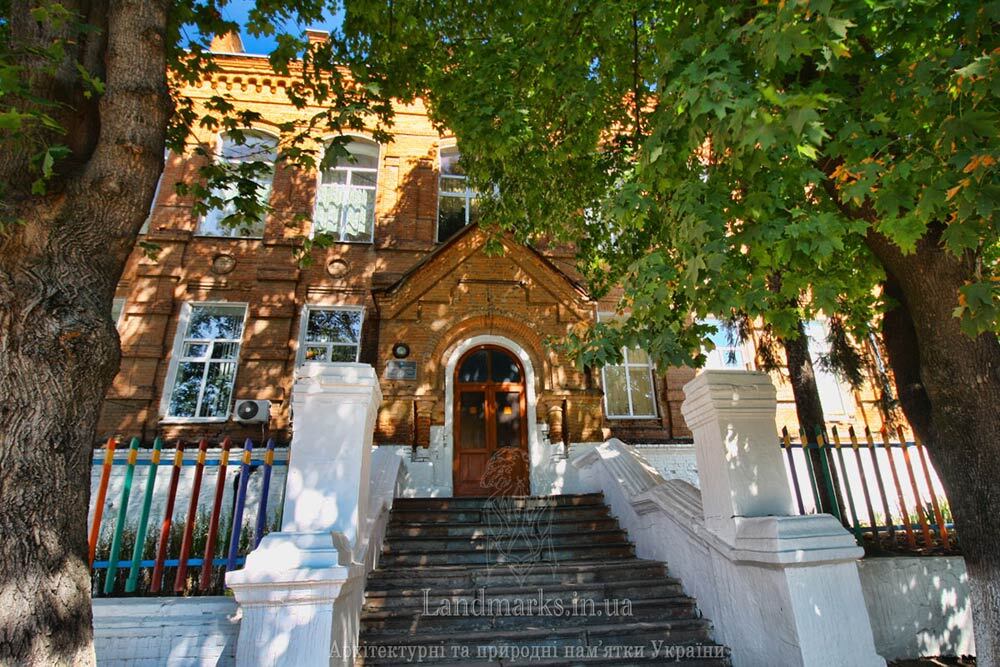
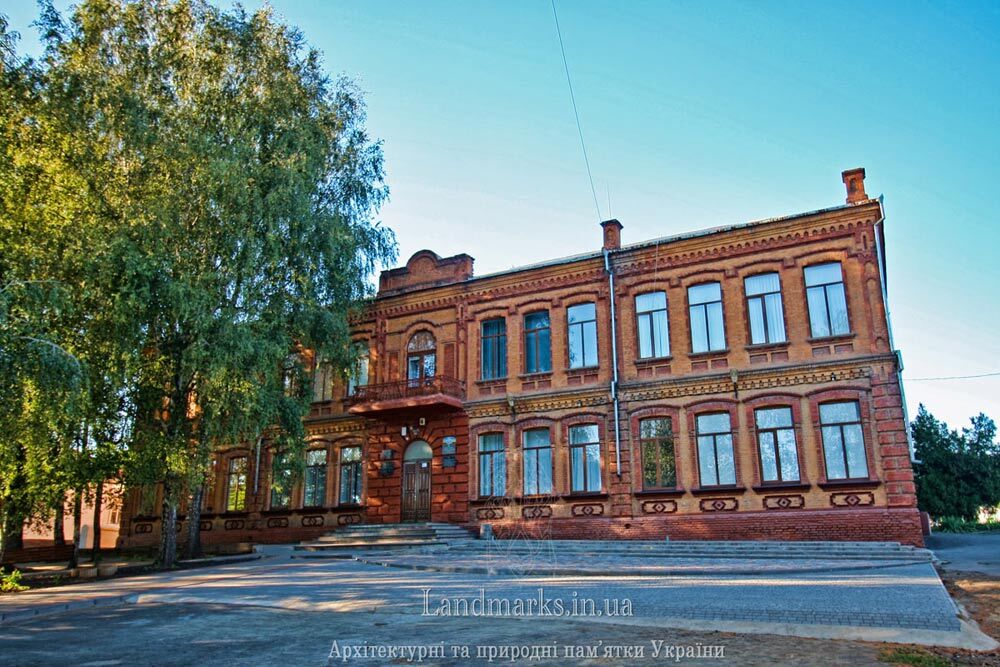
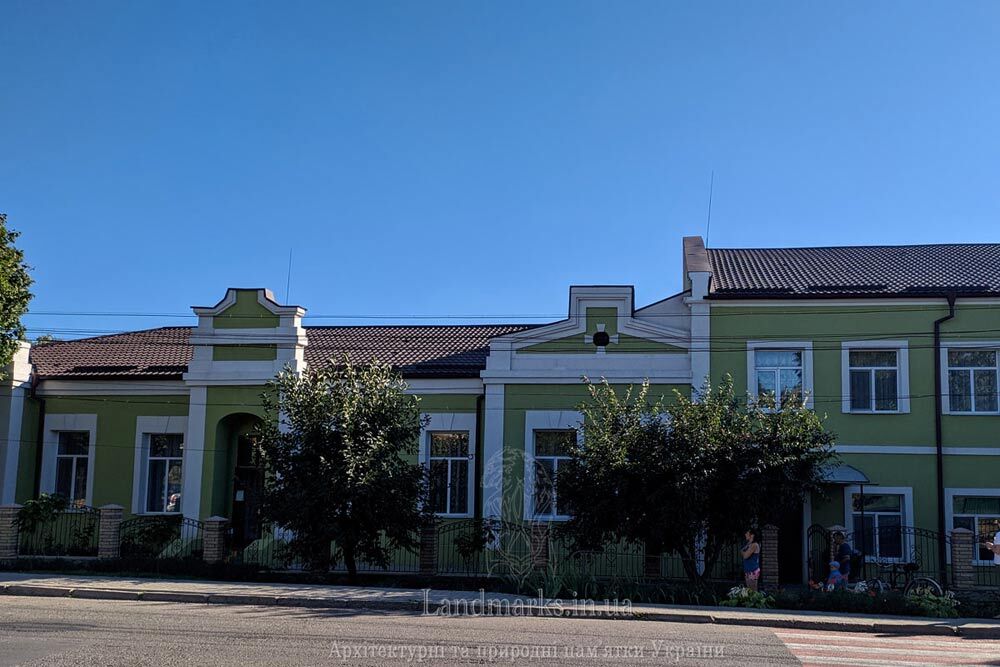
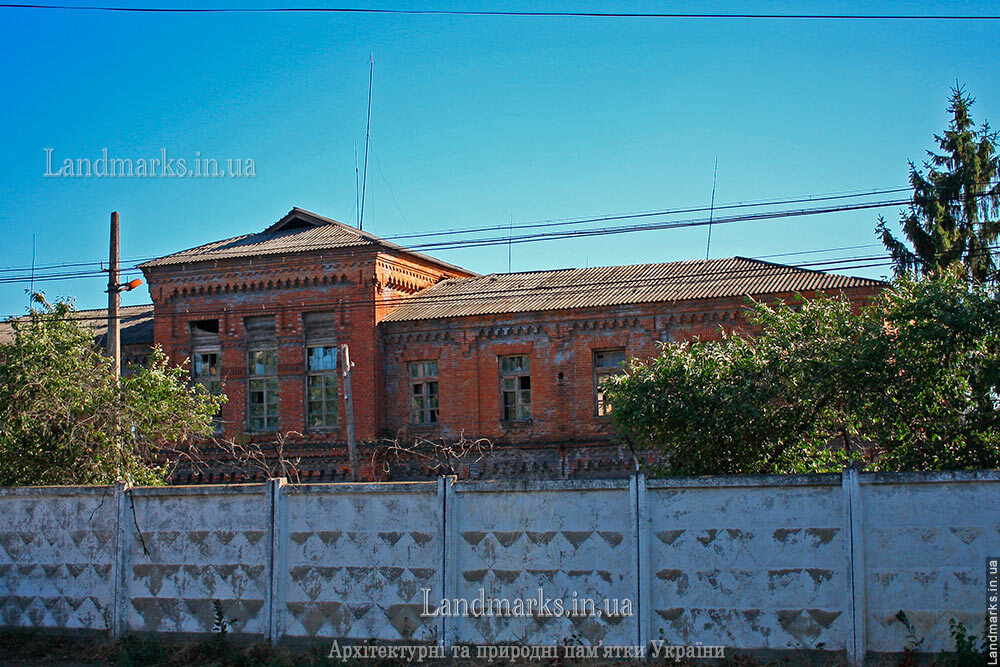
There is an old building along the road, behind a fence. These are the former barracks of the Balt-Podillia Regiment. They were built back in 1780. People say that for a time during the Soviet era, the building was used as a mill. Today, it is private property.