Church of St. John the Theologian
The village of Vynarivka was founded in 1657. At that time, however, it was not a village but a farmstead where grapes were grown and wine was produced. That is why its original name was Vynovarivka (make wine), which eventually evolved into Vynarivka. In the 18th century, the peasants of Vynarivka took part in the Haidamak movement, and in 1855—in the Kyiv Cossack Host.
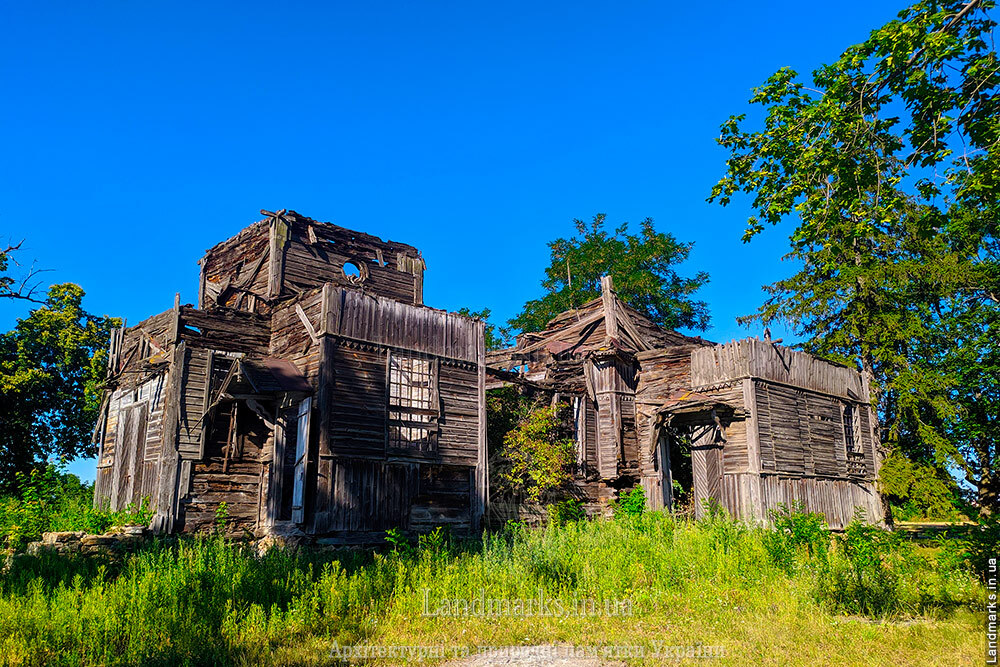
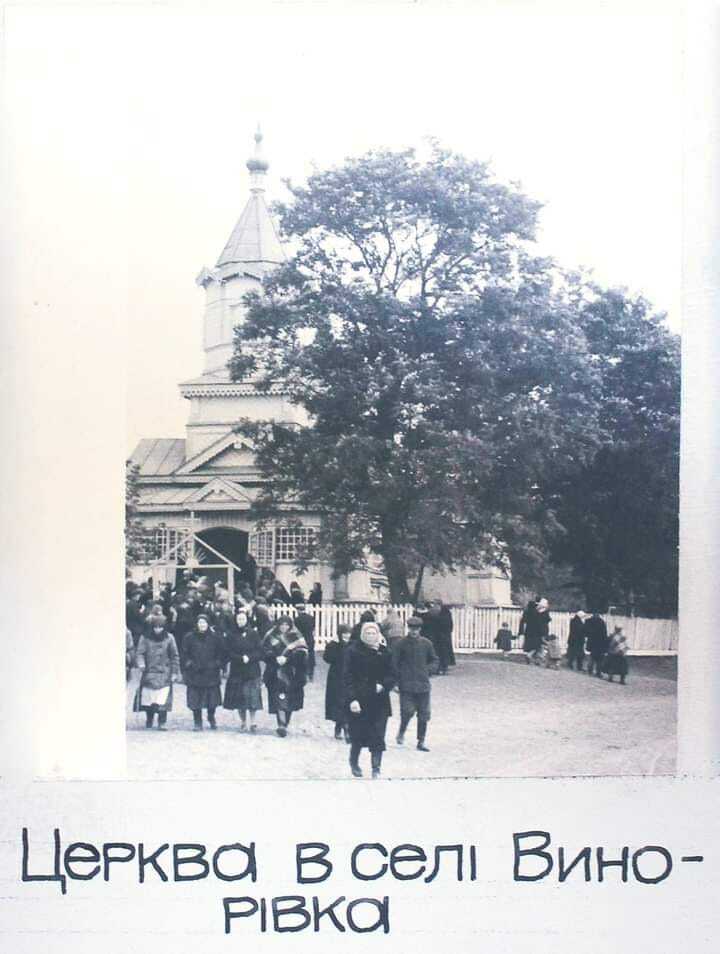
First church was built in Vynarivka in the mid-18th century,. The wooden church in Vynarivka, the remains of which we can see today, was erected in 1895 in the diocesan style according to a design by the renowned Kyiv architect Volodymyr Nikolaev. But it looks, even in its current state of ruin, interesting for a certain feature—the large number of doors in the church and the presence of beautiful carved elements.
Local researcher Lavrentiy Pokhilevich wrote the following in his well-known work on Vynarivka: “… a village 6 versts from the town of Stavysche, at the headwaters of the Targana River. There are 955 residents of both sexes. One-third of the residents are members of the Polish nobility, of whom only 7 are Roman Catholics. Originally, it was a farmstead established in the forest by a resident of Palan near a river that has since dried up. He had a vineyard here and produced grape wine, which he sold in Stavyshche.”
Regarding the old church, he noted that it was built and consecrated in honor of Saint Paraskeva. Usually, when a new church is built to replace an old one, it is consecrated under the same name. However, Pokhilevich explained the name change as follows: “The present church was renamed the Church of St. John the Theologian because the iconostasis for it was purchased and transported from the town of Volodarka after the church there, dedicated to St. John the Theologian, was closed.”
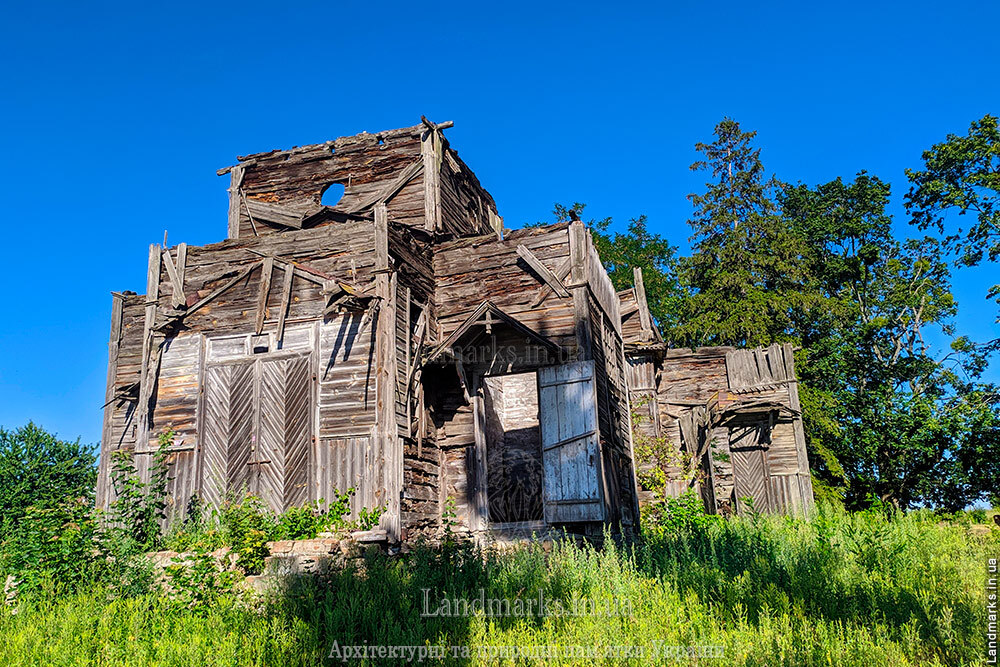
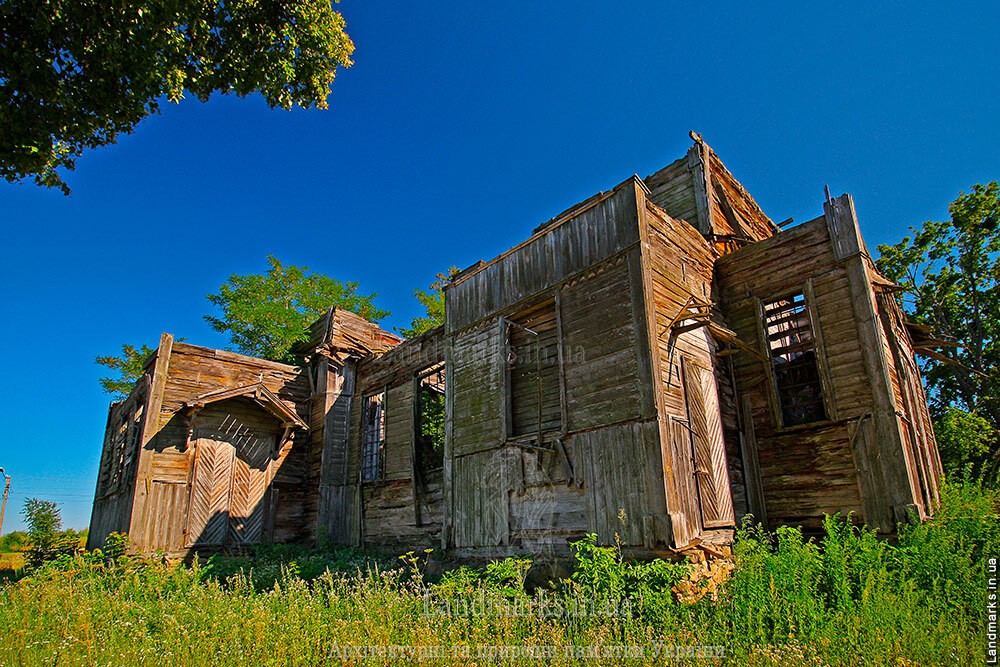
During the Soviet period, the church was closed and used as a warehouse. In the 1970s, the former church building became a collective farm storage facility. During the period of mass destruction of various churches across the USSR, the church in Vynarivka—which was highly visible from the main road—could also have been destroyed. However, the villagers did not want to destroy the church, so they dismantled the domes and removed the crosses.
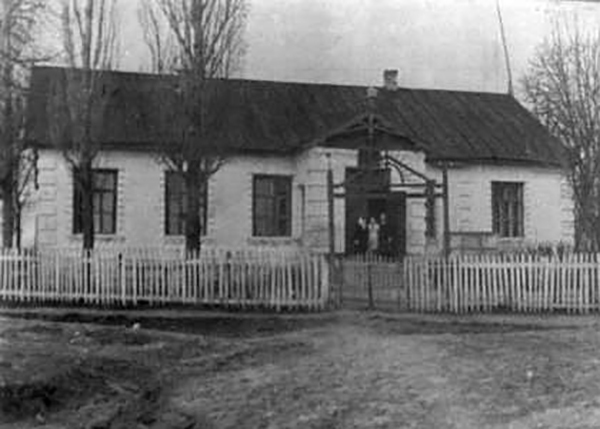
There was a church-parish school in Vynarivka, founded in 1860 by the head priest, Ioann Plenetsky. In the first decade of the 20th century, the school was apparently housed in the village administration building. During the Soviet time, a school was certainly operating in that building. (If anyone has information, please write to me.) Unfortunately, I have no information on whether this building has been preserved or converted into something else.
On Facebook, former residents of Vynarivka posted comments about the church and who had destroyed it.
Vira Prokhorivna wrote that people from nearby villages also attended the church, especially on holidays. She notes that there was a blacksmith’s shop in the village, run by Kuzma Demchenko. He forged window grilles and crosses, which were later removed and placed on the mass grave of the Holodomor victims. (Later, this man was exiled to Siberia as a kulak.) Vira recalls that the village had a good village head. He ensured cleanliness and order, both in the church and throughout the village. The church’s roof was made of iron, painted blue, and decorated with silver-colored stars. When it came time to remove the crosses from the church, the native villagers refused to take them down
Yuriy Plyasetsky adds that the process of removing the crosses from the church was led by Mykola Ananyovych Dyachenko, then chairman of the Vynariv Village Council. He notes that “They broke the crosses using ropes and a tractor; it was probably around 1967–1968. The vandals eventually got what was coming to them—some choked to death, some drowned in a ditch on the collective farm, and others died of serious illnesses.”
Below, Vira Prokhorivna clarified: “The problem is that the church is very beautiful and tall and can be seen from far away. A high-ranking Party official was driving past the village and was unhappy that the church was still standing. He ordered the collective farm chairman, Oleksiy Muysiovych Kostyuk (I may be mistaken about the last name)—a former teacher— to destroy it. The decision was made to remove the top and cover it with corrugated iron to use it as storage. The villagers weren’t to blame—no one asked them or listened to them; such were the times. There were several priests who promised to rebuild it; the community donated money, but it somehow disappeared.”
Actually, there isn’t much information available about either the church or the school. If you have anything to share, please write to me.
There are two other churches in the Kyiv region that are in a similar state of disrepair. They are also wooden and are in a state of disrepair—essentially ruins. These churches are located in the villages of Horobiivka and Shaliivka, near Skvyra.